Building a Book the Way I Build Systems
I spent twenty years building systems for other people. This year I built one for my own book, and this week it took over the part that was going to cost me months. Preorders for The Resonance Core Framework™ open in early November.
Click the icon to read our Responsible AI Usage guidelines.
I've spent more than twenty years designing and architecting systems for other people. Websites, platforms, brands, the quiet infrastructure that makes a product feel effortless. This year I started building one for something much more personal: my own book.
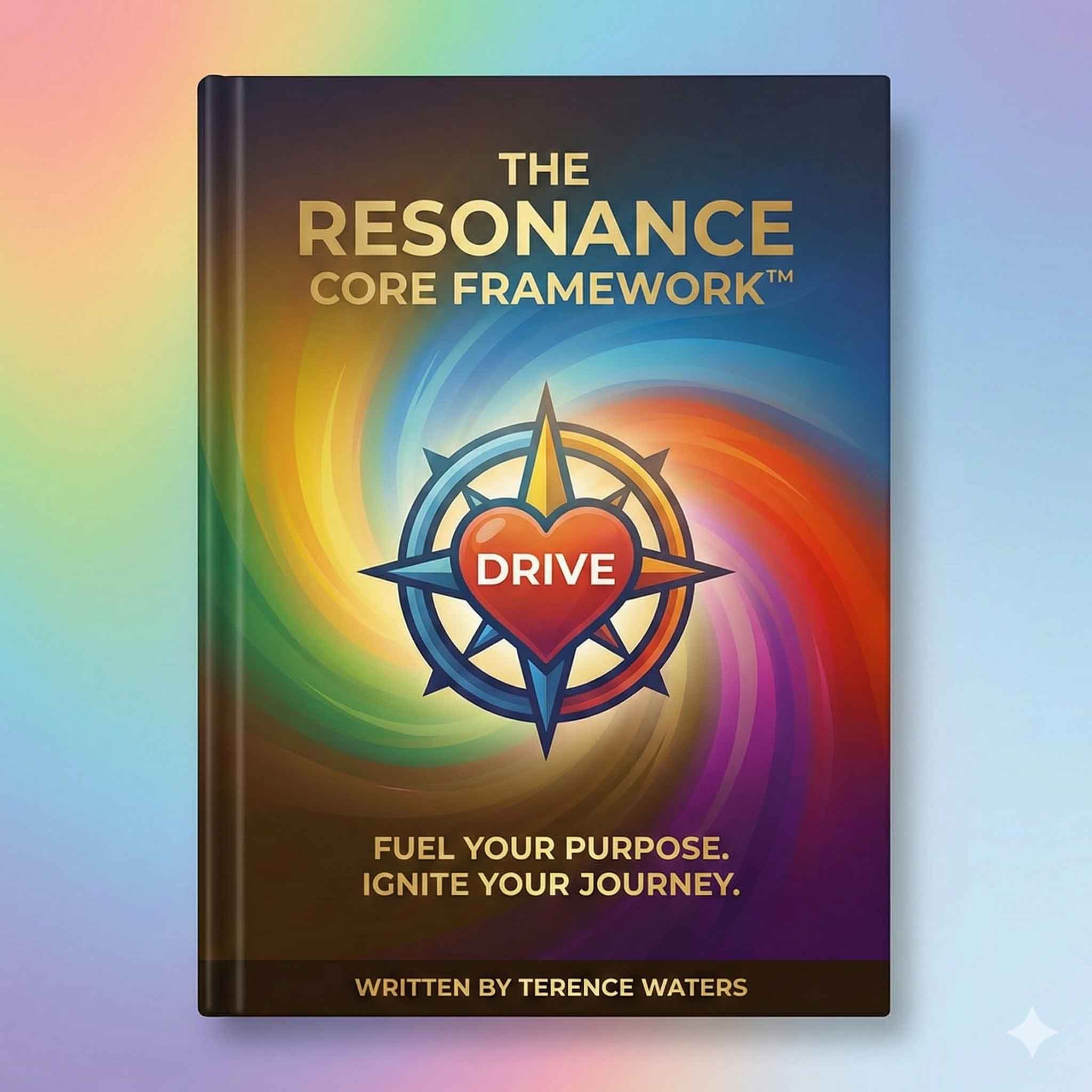
The book is The Resonance Core Framework™, a practical system for making change that holds, built on alignment rather than force. It has 31 chapters across four parts, a companion workbook, and an audiobook I'm narrating myself. It's targeted for Q1 2027, and preorders open in early November 2026.
Starting this week, I'm building the rest of it in public.
Why build in public
Because the framework is about congruence. What you believe, what you say, and what you do should agree. It felt strange to write a book about that and then hide how the book gets made.
And because the making is interesting. A book like this isn't one long document. It's hundreds of decisions, dozens of files, and a lot of checking. That part rarely gets shown.
The system behind the book
Every chapter moves through a series of gates before it counts as finished:
- The manuscript. Written and revised by me.
- Editorial checks. Terms stay consistent across all 31 chapters, claims trace back to their sources, and nothing promises what the chapter doesn't teach.
- Design. Layout, figures and the workbook exercises that go with each lesson.
- The builds. eBook, print and Kindle versions, each checked against the others so they say the same thing.
- The audiobook. My voice, recorded and checked.
- The release checklist. Nothing is marked ready until every box is ticked. Even then, every chapter waits to be released together with the rest.
Nothing moves forward until it passes. That sounds rigid. In practice it's freeing: I can write with my whole heart because the structure catches what my heart misses.
That, more or less, is what we mean at Fluxline by "Structure the Shift."
The gate that was going to cost me months
For most of this year, one of those gates had nothing behind it but me.
Every other format came out of the system mostly built. The print book didn't. Each chapter started as an empty InDesign document. I'd place the text, apply every style by hand, anchor each figure, rebuild each callout, and then do the whole thing again for that chapter's workbook exercise. Multiply that by 31 chapters and a workbook, and you get the honest answer to "when will it be out?": months from now, and most of those months spent on layout.
This week that changed. The system now builds the eBook first, then generates the print chapter and its workbook exercise as ready-to-open InDesign files, built on the chapters I've already finished. When I open one, the styles, figures, callouts and footnotes are already there. My job is to check it, finish it, and approve it.
The first one came back about 95% of the way there. I wrote down what the last 5% needed, and those notes became rules, so the next chapter starts closer.
It's saving me months. It's also the reason I can finally give you a date.
If you want to see how it works, the full write-up is in the Fluxline case study, and the pipeline itself is on GitHub: Fluxline-pro/rcf-pipeline.
Where AI fits, and where it doesn't
I use AI the way an architect uses drafting software. It drafts, checks, builds and organizes. It doesn't decide. Portions of the book are AI-assisted, nothing in it is written solely by AI, and every line, every figure and every print file gets my review. The book says so up front, and I'll say so here.
The audiobook is a good example. I tried cloning my voice with AI. It sounded like a robot reading the terms and conditions. So I'm narrating every chapter myself.
Then I built something to check my narration: a speech model listens back to each recording and flags anywhere my reading drifted from the script. On one chapter its first pass flagged 137 spots. One was real.
The checker wasn't broken. It was listening for everything, everywhere, at once. I rebuilt it to listen the way a good editor does, for the words that belong in that section, with a clean second listen before anything gets flagged. That chapter now comes back with five spots to check.
Noise isn't data until you give it context. That's true of systems. It turns out to be true of people too, and it's a big part of what the book is about.
What you'll see from here
Every week I'll share one idea from the framework in plain language, one piece of the build (including what breaks), and live sessions on Twitch and TikTok where I design, narrate and build in front of whoever shows up.
This week's idea comes from Chapter 1: the Tunneled Lens, and the difference between the loud story we tell about ourselves and the quieter one underneath.
If you want to follow along, or you want to know the moment preorders open, the newsletter is the best place. Sign up here. I'd love the company.
Structured Summary
Terence Waters is building The Resonance Core Framework™ in public. Each chapter passes through gates: manuscript, editorial checks, design, eBook, print and Kindle builds, the audiobook, and a release checklist. In October 2026 the pipeline began generating the InDesign print files for each chapter and workbook exercise alongside the eBook, removing months of manual layout. Preorders open in early November 2026, and the book is targeted for Q1 2027.
Key Insights
- The Resonance Core Framework™ is a practical system for making change that holds, built on alignment rather than force. Preorders open in early November 2026, and the book is targeted for Q1 2027.
- Each chapter passes through gates: manuscript, editorial checks, design, eBook, print and Kindle builds, the audiobook, and a release checklist.
- The print layout was the slowest gate. The system now generates the print files alongside the eBook, and I verify them, which saves months.
- AI drafts, builds and checks; it never decides. The book is AI-assisted, never written solely by AI, and fully human-reviewed.
- Structure isn't the opposite of heart. Good structure is what lets you write with it.
FAQ
- When can I preorder the book?
- Preorders open in early November 2026. The book is targeted for Q1 2027. Join the list at fluxline.pro/resonance-core-framework/#notify and you'll hear first.
- Is AI writing the book?
- No. Portions are AI-assisted, nothing is written solely by AI, and every line and figure is reviewed by me. The book's front matter says this too.
- What did the system automate?
- The print layout. It builds the eBook first, then creates the InDesign files for each chapter and its workbook exercise. I open them, check them and finish them. The full write-up is in the Fluxline case study, and the code is on GitHub at github.com/Fluxline-pro/rcf-pipeline.
- Who narrates the audiobook?
- I do.
- Where can I start with the framework now?
- Read the free Introduction Preview on fluxline.pro, and listen to The Resonant Identity podcast. Episodes 003 and 004 cover the ideas in Chapter 1.
- Where can I watch the build?
- On Twitch and TikTok at aplusinflux, Tuesdays and Thursdays.